What is fulfillment, how it works, and what it looks like in Mexico
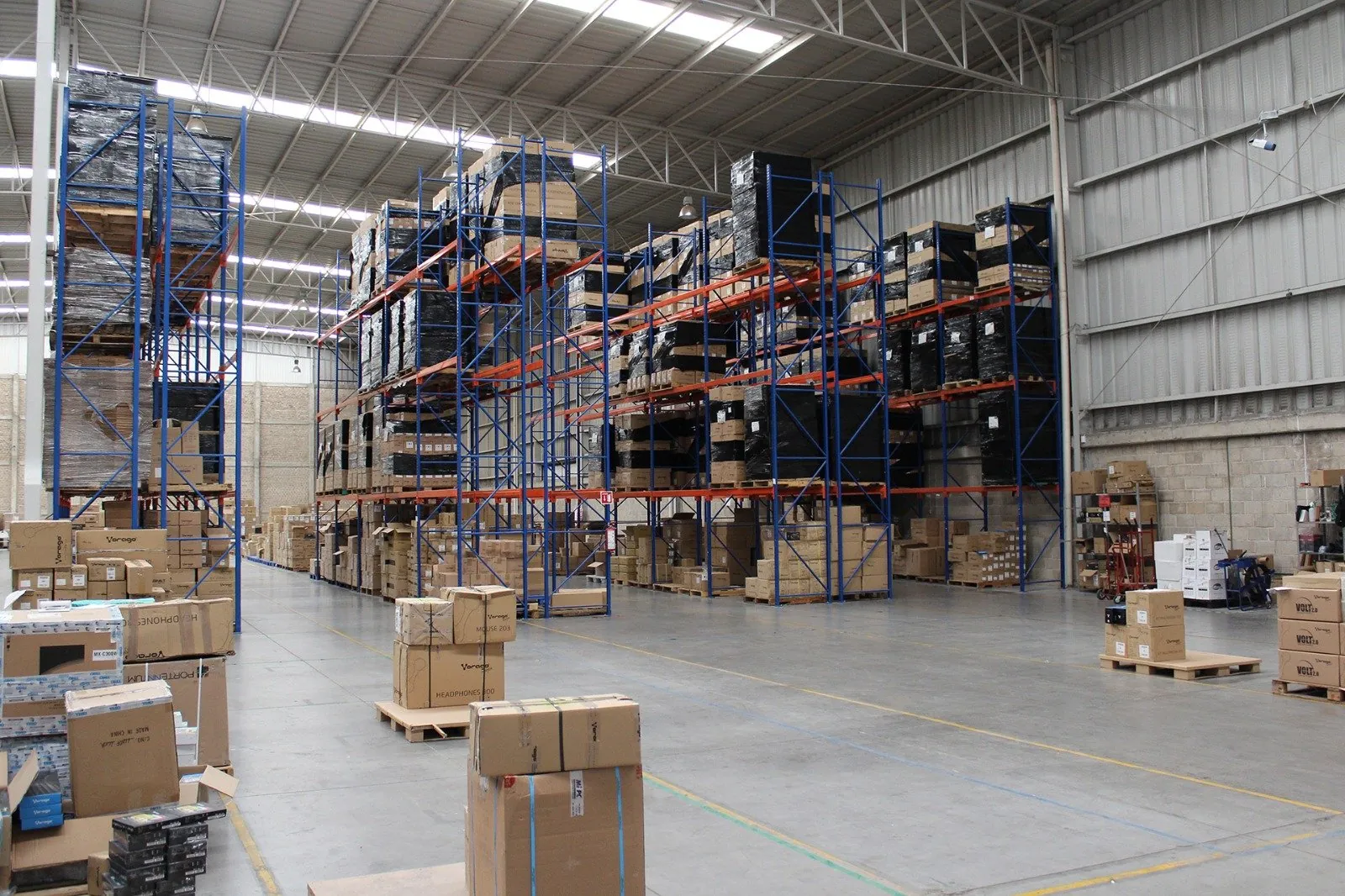
Fulfillment is everything that happens between the moment a customer clicks buy and the moment the box is in their hands: receiving your inventory, storing it, picking the right units, packing them, labeling, shipping and handling whatever comes back. When one company does all of that on your behalf, that company is a third-party logistics operator — a 3PL.
The full process, step by step
| Stage | What happens | Where it usually breaks |
|---|---|---|
| 1. Receiving | Your goods arrive and are counted and checked against what you declared. | Unlabeled arrivals: the warehouse has to guess what each box is. |
| 2. Storage | Every SKU gets a location and the stock is registered. | No SKU-level control: you sell what you no longer have. |
| 3. Picking | The exact units each order needs are pulled from stock. | Wrong unit picked — the error your customer actually sees. |
| 4. Packing | Protection, inserts, sealing. | Oversized boxes: you pay volumetric weight for air. |
| 5. Shipping | Carrier label, handover, tracking. | A single carrier for the whole country: you overpay in half the zones. |
| 6. Returns | What comes back is received, inspected and put back or set aside. | Nobody owns it, so returned stock sits in a corner. |
Why visibility changes everything
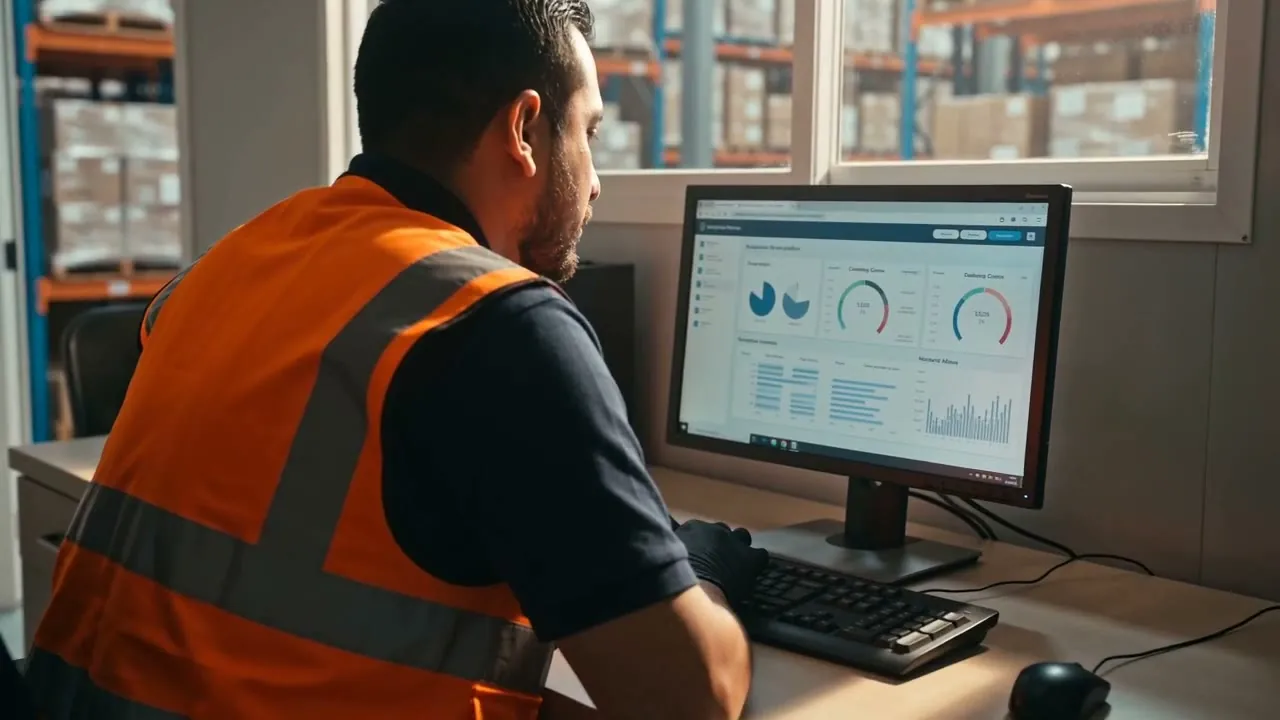
The difference between an operation that scales and one that does not is rarely speed — it is knowing what you have. If you cannot see your stock by SKU and the status of each order, you are deciding blind: you buy inventory you did not need, you promise stock you no longer have, and you find out about a problem when the customer complains.
Fulfillment, 3PL and fulfillment center: three different things
- Fulfillment is the service: picking, packing, shipping and handling returns.
- A 3PL is who provides it: the logistics provider that runs fulfillment for you and usually offers more, such as pallet storage, labeling or freight.
- A fulfillment center is the place: a warehouse set up to prepare many small orders fast, not to store goods for months.
Fulfillment or dropshipping
| In-house fulfillment | Fulfillment with a 3PL | Dropshipping | |
|---|---|---|---|
| Who buys the inventory? | You | You | No one upfront: the supplier holds it |
| Who packs and ships? | Your team | The 3PL | The supplier |
| Control over timing and packaging | Full | High, with KPIs and a service agreement | Low |
| Upfront investment | Warehouse, people and equipment | Only the inventory | Almost none |
| Margin per order | High, but with fixed costs | High, with variable cost | Low |
| Returns | You handle them | The 3PL receives and inspects them | Up to the supplier |
| When it fits | Few orders and a team that keeps up | Growing volume or several channels | Testing products without buying inventory |
Many brands combine them: they test new products through dropshipping and, once one sells steadily, buy inventory and move it to fulfillment. If you sell on Mercado Libre or Amazon, also compare their own programs: see Mercado Envíos Full vs. outside fulfillment and Amazon FBA vs. a 3PL.
What frustrates Mexican online shoppers most
The AMVO 2026 Online Sales Study asked digital shoppers what frustrates them most about delivery. The top three answers are fulfillment problems, not marketing ones:
| Biggest delivery frustration | Shoppers |
|---|---|
| The order arrives incomplete | 45% |
| It arrives damaged | 38% |
| Delivery times are not met | 33% |
Source: AMVO, Estudio de Venta Online 2026 (press version), base of 1,048 digital shoppers. The same study reports that 22% of shoppers returned at least one item in the past year and that 90% have purchases delivered to their home.
An incomplete order is a picking error and a damaged one is a packing error: exactly the two stages good fulfillment controls and measures. So when you evaluate a provider, ask for its picking accuracy; at Vorago OPS it is 99%.
Do it yourself or outsource it?
Running it yourself makes sense while volume is small and predictable, and while the founder's time is not the bottleneck. It stops making sense when peak season breaks you, when a second sales channel demands different packaging, or when shipping errors start costing reviews. The honest comparison is not rate versus rate: it is the full cost of doing it yourself — rent, payroll with benefits, equipment, errors, and the hours you are not selling — against a quote that already includes all of it.
What fulfillment looks like in Mexico
If your product sells in Mexico, the operation has specifics worth knowing before you pick a partner. Distances are long and carrier rates change sharply by zone, so no single carrier wins everywhere. Marketplaces — Amazon, Mercado Libre and Walmart — each demand their own labeling and prep, and a shipment that does not comply gets rejected at the door. And returns are not optional: under Mexican consumer law a buyer may withdraw from an online purchase within five business days of delivery.
That is why brands selling into Mexico rarely run it from abroad. What they contract is an operator already inside the country, with the warehouse, the staff and the carrier relationships in place.
What to ask before you sign
- Which channels do they actually run today — online store, marketplaces, retail, B2B? Ask for an example of each.
- How do they charge, and what is extra: inventory movements, repackaging, labeling, returns?
- Is there a minimum contract?
- How do you see your inventory — a dashboard, or a weekly email?
- Which products do they NOT accept? An operator with no restrictions has no processes either.
- Which certification is current, and for which processes?
- Can you visit the warehouse before signing?
How we do it at VORAGO OPS
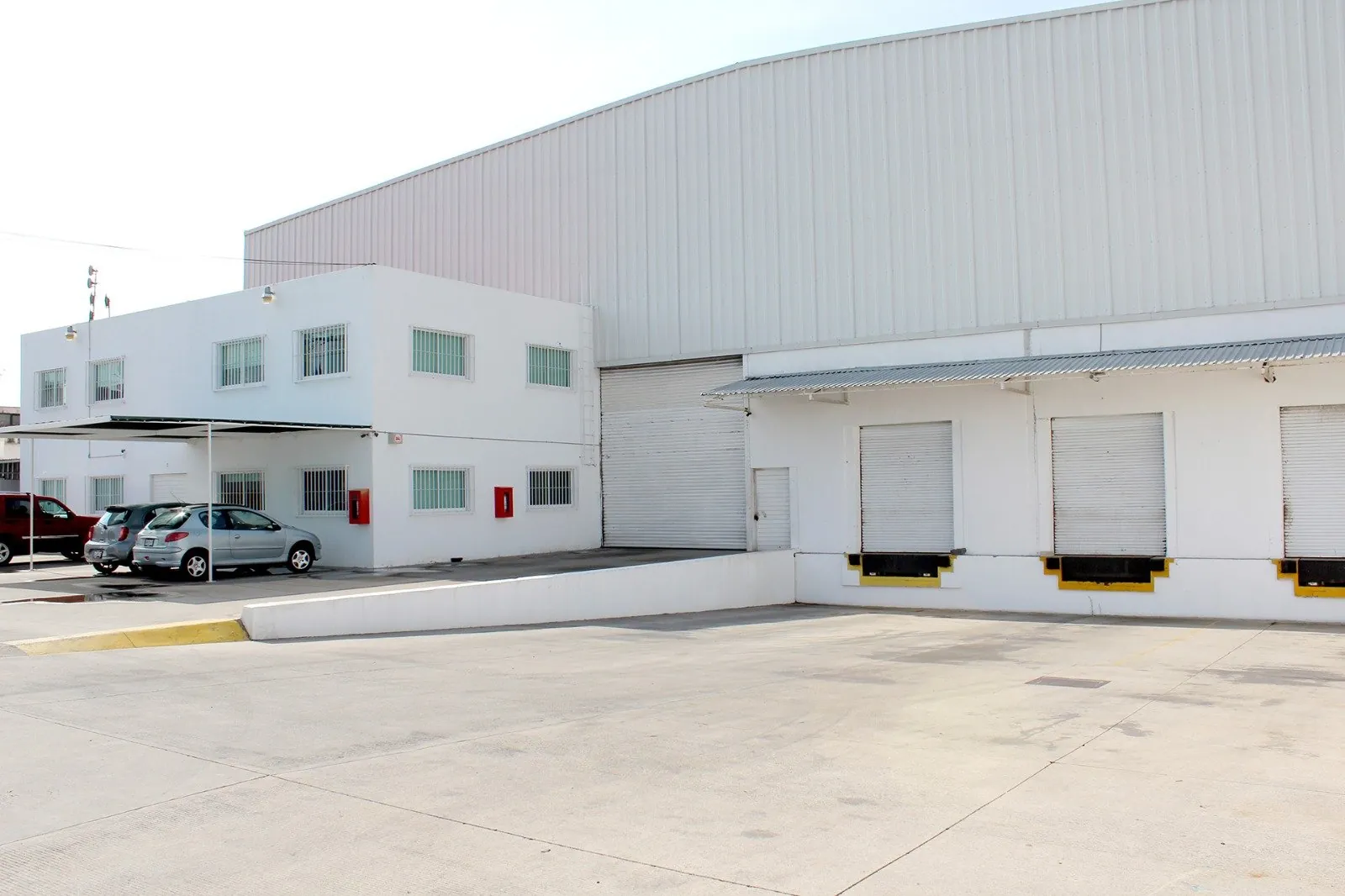
We run pick, pack and fulfillment from our warehouse in San Agustín, Guadalajara: receiving with SKU-level control, picking, packing, labeling and prep for Amazon, Mercado Libre and Walmart, nationwide shipping and reverse logistics. You can contract storage alone, one specific service, or the whole operation — they are quoted separately, not bundled. No minimum contract, and every process is ISO 9001:2015 certified. We do not handle refrigerated, frozen, perishable or pharmaceutical products.
If you want to know whether your operation fits, tell us what you move and we will come back with a proposal at no cost.