What is cross docking and how does it work (with a step-by-step example)
What cross docking is
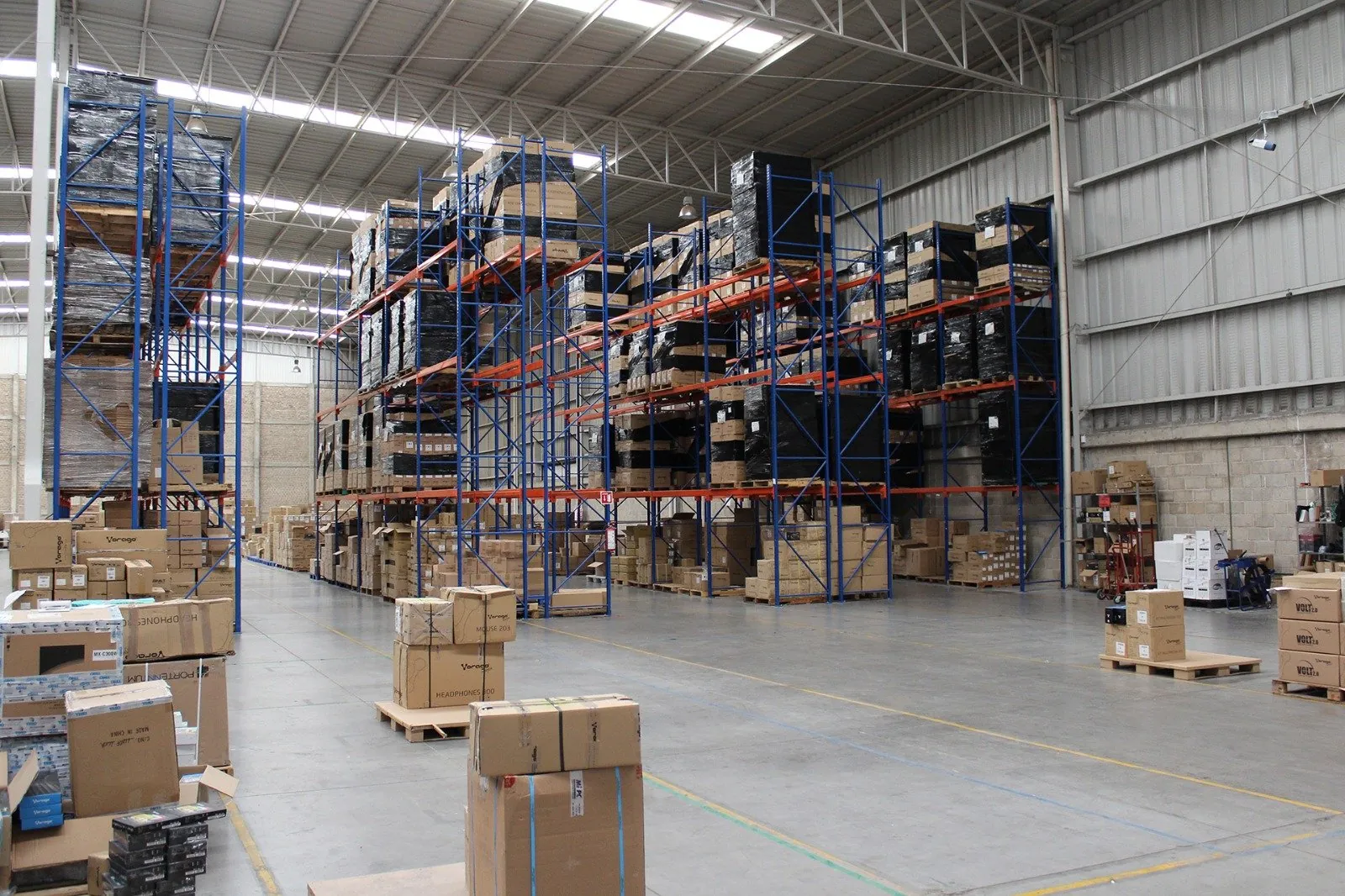
Goods "cross" from an inbound dock to an outbound dock. In traditional warehousing, product is received, put away on a rack, stored and, when an order arrives, picked, packed and shipped. Cross docking skips the three middle steps: no put-away, no storage and no order picking.
That is why dwell time is short. According to Jean-Paul Rodrigue in The Geography of Transport Systems, shipments typically spend less than 24 hours in a cross-docking facility, sometimes less than an hour for parcels.
| Step | Traditional warehousing | Cross docking |
|---|---|---|
| Receiving and checking | Yes | Yes |
| Put-away on a rack | Yes | No |
| Time in the facility | Days, weeks or months | Hours; usually under 24 |
| Picking | Yes, for every order | No; goods are only sorted by destination |
| Outbound | When the order arrives | As soon as each destination’s load is complete |
| What you pay for | The space you take | Mostly the inbound and outbound handling |
Swipe to see the full diagram →
How it works, step by step
- 1. Advance notice. Before the truck arrives, the supplier says what is coming, when, and where each part is going (an ASN, advance shipping notice). Without it there is no cross docking, just goods waiting for a decision.
- 2. Receiving at the dock. Goods are unloaded and counted against the notice. Anything that does not match is set aside right then.
- 3. Sorting by destination. Every pallet or carton is identified with its destination: a store, a DC, a route or a customer.
- 4. Consolidation. Each destination’s load is built, combining whatever goes to the same place even if it came from different suppliers.
- 5. Loading and dispatch. The load leaves through the outbound dock with its paperwork and proof of delivery.
An example with numbers
Picture a brand that sells to retail chains and receives two trailers from its factory with 52 pallets, each already labeled with its destination. The numbers are illustrative, to show the mechanics.
| Destination | Pallets | How it ships |
|---|---|---|
| DC in Mexico City | 18 | Dedicated freight |
| DC in Monterrey | 14 | Dedicated freight |
| DC in Querétaro | 12 | Consolidated with another client going to the same area |
| Stores in Guadalajara | 8 | Local delivery |
All 52 pallets come in in the morning and leave the same day. None takes a rack position, so there is no storage charge; you pay for unloading, sorting and loading.
Without cross docking, those 52 pallets would have been put away, sat for days taking space, and then been brought down again to build the same four loads. Double the work and space paid for nothing.
The four types of cross docking
| Type | How it works | When it is used |
|---|---|---|
| Pre-distributed | The supplier ships goods already split and labeled by destination. | Replenishing retail chains with delivery appointments; the fastest type. |
| Consolidated | Small shipments from several suppliers are combined into one load. | Several suppliers serving the same destination; saves freight. |
| Deconsolidated | One large load is split into several smaller ones. | An import container going to several destinations. |
| Hybrid | Part of the goods cross and part stays in inventory. | When only part of the product already has a destination. |
Cross docking and picking are not the same
This is the most common confusion. Picking is a step of traditional warehousing: taking an order’s items from their location. Cross docking is a different end-to-end flow that skips put-away, storage and picking. They do not compete: which one you use depends on whether the destination is known when the goods arrive.
There is a middle ground sometimes called "pick-and-pass" cross docking: goods are not stored, but at the dock they are opened and split by unit or carton to build loads per store or order. It is still cross docking because nothing goes onto a rack.
Pros and cons
| Pros | Cons |
|---|---|
| No storage charge for goods that are only passing through. | It needs accurate notices: without them there is nowhere to send the load. |
| Product reaches its destination sooner. | If one supplier is late, the whole destination’s dispatch is delayed. |
| Less handling: less damage and fewer errors. | It requires docks and staff available within a time window. |
| Less inventory tied up in the chain. | It does not suit product that needs long inspection or has no destination yet. |
What you need for it to work
- An advance shipping notice stating what is coming, when and where each part goes.
- Labeling by destination at origin, so cartons do not need to be opened at the dock.
- Dock appointments: coordinated inbound and outbound so goods do not wait.
- Predictable demand: cross docking works with repeating flows, not one-off orders.
- A system that records every movement, so you know what came in, what went out and where, even if it was only there for a few hours.
When it pays off, and when it does not
It pays off if you replenish chains or DCs with delivery appointments, receive imports already assigned to several destinations, combine product from several suppliers going to the same place, or move fast-moving product that makes no sense to store.
It does not if your demand is irregular, your suppliers do not give notice or arrive late, the product needs a long quality check, or you sell unit by unit to end customers: then the efficient model is storing and picking each order (fulfillment).
The case everyone cites: Walmart
According to Rodrigue, Walmart delivers about 85% of its merchandise through cross docking, with 90% turning over within a day. The figure has been repeated since the 1990s, so read it as how far the model can go, not as a current statistic.
Cross docking in Guadalajara with Vorago OPS
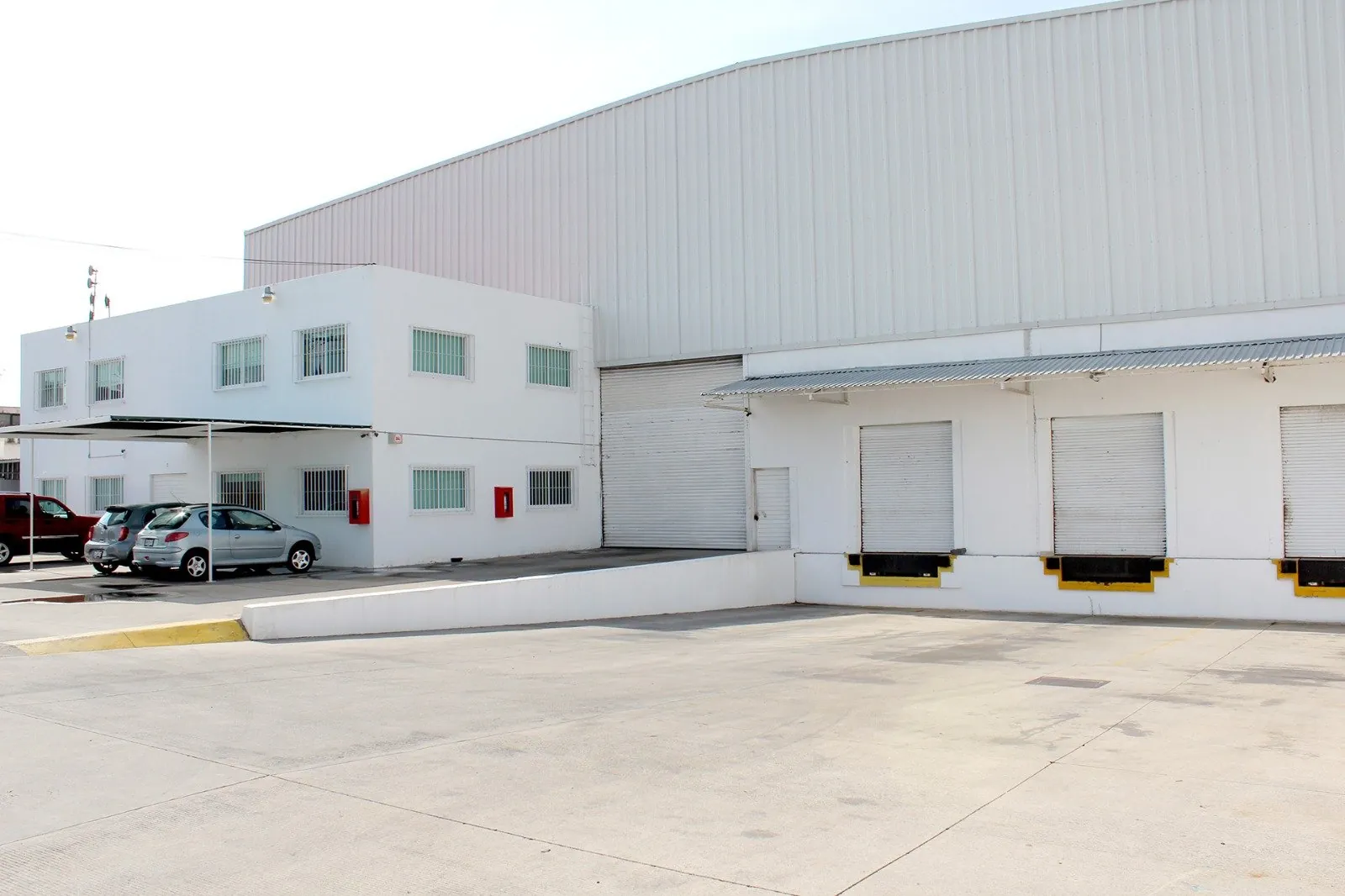
At our warehouse in San Agustín, in the south of the Guadalajara metro area, we receive full containers and pallet loads through 4 docks. If the goods leave within the first 24 hours, there is no storage charge: you pay for handling, not space. Whatever stays moves into pallet storage with no minimum contract.
Outbound goes by parcel under agreements with Estafeta and Paquetexpress, with our own and third-party fleet within the metro area, or by dedicated freight nationwide; see freight shipping. Every movement is recorded in our WMS with SKU-level traceability.