Promotional kit assembly: how kitting works at a 3PL and what you need to send
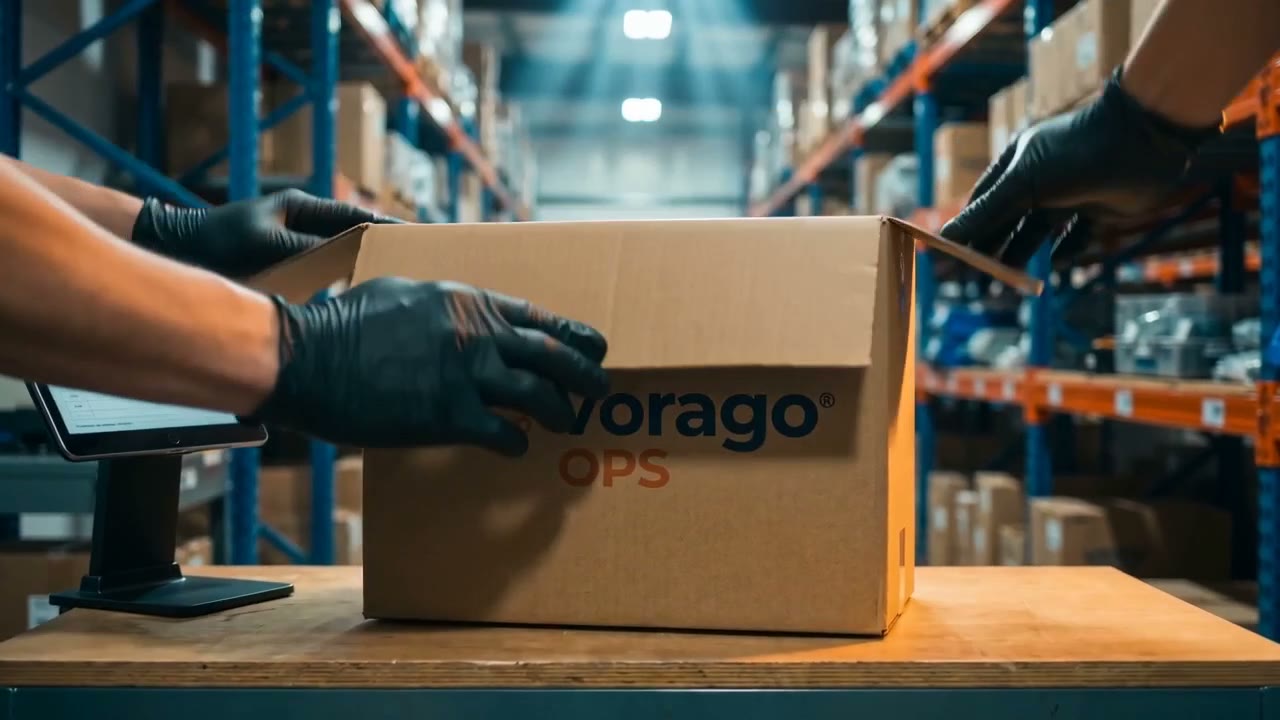
A promotional kit looks simple until there are 2,000 of them and each one carries six pieces from four different suppliers. The product is almost never the bottleneck: putting it together, checking it, packing it and getting it out on time is. That is why kit assembly (kitting) is one of the services agencies, brands and HR teams ask a logistics operator for most.
What kit assembly means in logistics
It means receiving the components separately, combining them into a new unit with its own code, packing it and leaving it ready to ship or to enter inventory as one more product. At a 3PL the kit is treated like any other SKU: it is received, assembled following an instruction sheet, checked for quality and dispatched.
Types of kits a logistics operator assembles
- Promotional kits and corporate gifts: year-end, events, launches, customer campaigns.
- Welcome (onboarding) boxes for new employees or new customers.
- School and seasonal kits, where the recipe is the same across thousands of units.
- Sales bundles: two or three products sold together under a single code in your store or a marketplace.
- Sample or trial kits for distributors and sales teams.
How it works, step by step
- 1. You define the kit recipe: which components, how many of each, in what order and how it is packed.
- 2. You send the components to the warehouse. They can arrive from different suppliers on different dates; the warehouse consolidates them.
- 3. Receiving and counting of each component against what you declared.
- 4. Assembly at a station, with the instruction sheet in view and a sample you approved.
- 5. Quality control: every kit carries what it should, in the condition it should.
- 6. Packing in a box with your brand label.
- 7. Outbound: into your inventory to sell later, to a marketplace already prepped, or straight to the recipient list.
What you need to send (and what you do not)
| Item | Who provides it | Note |
|---|---|---|
| The products in the kit | You | Identified by component; unlabeled arrivals make counting slow and expensive. |
| Brand inputs: printed labels, inserts, special boxes | You | The operator applies what you provide; design and content are yours. |
| Standard brown box and simple label | The operator | The default when there is no special branded packaging. |
| Assembly sheet and approved sample | Defined together | Signed off before starting; changing it mid-batch restarts the process. |
| Recipient list (if kits ship individually) | You | Name, address, phone and which kit each person gets. |
How kit assembly is priced
It is priced per unit or per batch, and the price depends on three things: how many components each kit carries, how many assembly steps it takes and what kind of packaging is used. Cost goes up with many components, complex instructions, special packaging or a different insert for each recipient. It goes down when components arrive counted and identified, the recipe does not change and the volume is grouped into a single batch.
Mistakes that make a kit project expensive
- Sending components without identification: the warehouse has to guess what each box is.
- Changing the recipe mid-batch: what is already assembled gets taken apart or becomes a different version.
- Not deciding what happens to leftovers: they sit on pallets until someone decides.
- Counting the delivery date from the start of assembly instead of from the arrival of the last component.
- Forgetting the labeling the marketplace requires when the bundle will be sold there.
When kitting at a 3PL makes sense, and when it does not
It makes sense when there are hundreds or thousands of units, a delivery date, and the kit ships from the same warehouse to its destination: you skip receiving everything at your office, hiring temporary staff and shipping again. It does not make sense for a few dozen units you already have on your floor; moving the components costs more than it saves.
How we do it at VORAGO OPS
At our San Agustín warehouse in Guadalajara we assemble bundles and kits to your spec in a standard box with a simple label of your brand, and we repackage and label with the information and inputs you provide. The same team preps product for Amazon, Mercado Libre and Walmart, so a bundle can leave ready to sell there. Every process is ISO 9001:2015 certified and shipping coverage is nationwide. We do not handle temperature-controlled, perishable or pharmaceutical products.
Ready to find out if a 3PL is right for you?
Tell us about your operation and we’ll deliver a free assessment with real numbers for your case.
Request an operational diagnosis