Ecommerce logistics in Mexico: the complete guide
According to the AMVO 2026 Online Sales Study, retail e-commerce in Mexico reached MXN 941 billion in 2025, grew 19.2% in the year and already accounts for 17.7% of retail sales; 77.2 million people bought online.
Ecommerce logistics is everything that happens between the purchase click and the box in your customer’s hands: receiving and storing your inventory, picking and packing every order, shipping it with the right carrier, tracking it to delivery and processing whatever comes back. In Mexico, where shoppers already expect one- or two-day delivery and Buen Fin can multiply your volume in a single week, that chain decides whether you grow with margin or lose customers to operational failures. This guide walks the full map, stage by stage, and tells you where to go deeper on each one.
The map: the stages of ecommerce logistics
Every operation —whether you run it or an operator does— goes through the same connected stages. Seeing them as a chain matters, because the order that arrives late almost never failed at shipping: it failed earlier, at a stage nobody was measuring.
- Inventory receiving: merchandise comes in, gets inspected and registered.
- Warehousing: every SKU lives in a labeled location, visible in the system.
- Order intake: orders arrive from your store and your marketplaces.
- Picking and packing: the right items are picked and packed per channel.
- Shipping and last mile: the carrier takes the package to the door.
- Returns: whatever comes back gets inspected, restocked or written off.
Inventory receiving: where everything starts (or breaks)
The chain inherits the errors of its first link. If merchandise comes in without inspection and without counting against the purchase order, the system is born lying: you sell items that don’t exist or stop selling items that are sitting on the rack. Serious receiving checks quantities, reviews product condition, records discrepancies with the supplier and registers every SKU with its location. It sounds like bureaucracy; it’s the cheapest vaccine in your entire logistics.
Warehousing: inventory organized, visible and counted
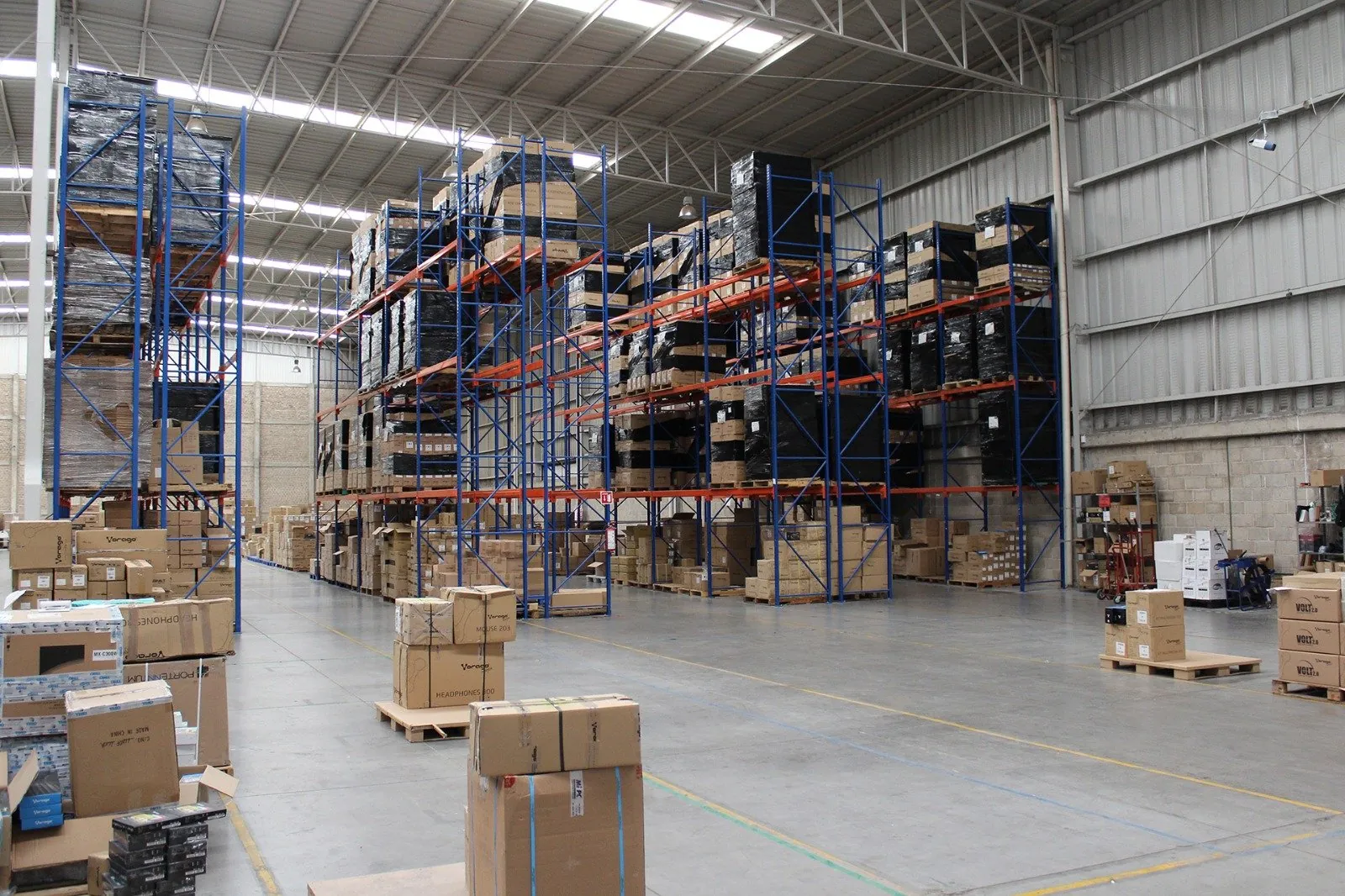
Warehousing isn’t stacking boxes: it’s every product having an assigned location, the system knowing how many pieces there are and a cycle count confirming that the system tells the truth. Inventory accuracy is what connects your warehouse to your channels: if the number is wrong, you cancel sales or show as sold out what you actually have. And space costs money: managing warehousing well also means not paying for dead square meters in the low season.
Picking and packing: the heart of fulfillment
This is where the customer experience is won or lost: picking the right item, in the right quantity, and packing it to each channel’s requirements —your own store, Mercado Libre and Amazon each ask for different things—. Packaging also protects the product in transit and is your first physical impression. This whole process, from receiving to dispatch, is what’s known as fulfillment; to see it step by step, read our guide on what is fulfillment.
Carriers and last mile: the stage your customer actually sees
Your customer will never see your rack, but they will see the courier. Three decisions define this stage:
- Who you ship with: no single carrier is the best for all of Mexico; a multi-carrier setup chooses by destination, cost and performance, and negotiates volume rates.
- Where you ship from: real distance defines transit days and zone rates; shipping close to your customers shortens both.
- What you promise: delivery promises get calibrated against your real pickup cutoffs; promising next-day where you can’t sustain it manufactures complaints.
Returns: the reverse logistics almost nobody plans for
In ecommerce, a share of orders always comes back, and every return is a full chain: return label, receiving, grading, refurbishing and restocking. Without a process, returned product becomes frozen inventory you already paid for. What each return really costs and how to lower your rate without hurting sales is covered in our guide on ecommerce returns and reverse logistics.
Peak seasons: Hot Sale, Buen Fin and Christmas
Mexico’s commercial calendar concentrates the year into a handful of peaks, and peaks aren’t improvised: inventory has to reach the warehouse weeks earlier, staff gets trained earlier and packing material gets bought earlier. Preparation is planned in reverse from event day, and twelve weeks out is a healthy starting point. The full reverse calendar, block by block, is in our guide on Buen Fin logistics.
KPIs: the numbers that tell you the truth
Without numbers, logistics gets managed by gut feeling. The basics: perfect order rate, order accuracy, on-time shipping, inventory accuracy, order cycle time, returns and cost per order. What each one measures and what range counts as good is in our guide on the 7 logistics KPIs; if today you can’t report at least three of the seven, that’s your first to-do.
How much does ecommerce logistics cost?
The cost is built from line items: receiving, warehousing, picking, packing, shipping and returns, plus the silent cost of errors. The honest comparison isn’t “rate vs. rate” but your total cost per order operating in-house —rent, staff, software and errors included— against the outsourced cost per order. How to calculate both numbers, line item by line item, is in our guide on fulfillment cost in Mexico.
And when does outsourcing to a 3PL make sense?
The short answer: when the operation is holding you back. If you can’t dispatch on time in peak season, if picking errors cost you reships and reviews, if you have no visibility of your inventory, or if the team spends more time packing than selling, an operator turns your fixed cost into a variable one and absorbs the peaks without you hiring or training. The full list of signs and the cost comparison are in in-house warehouse vs. 3PL.
The next step: your map with your numbers
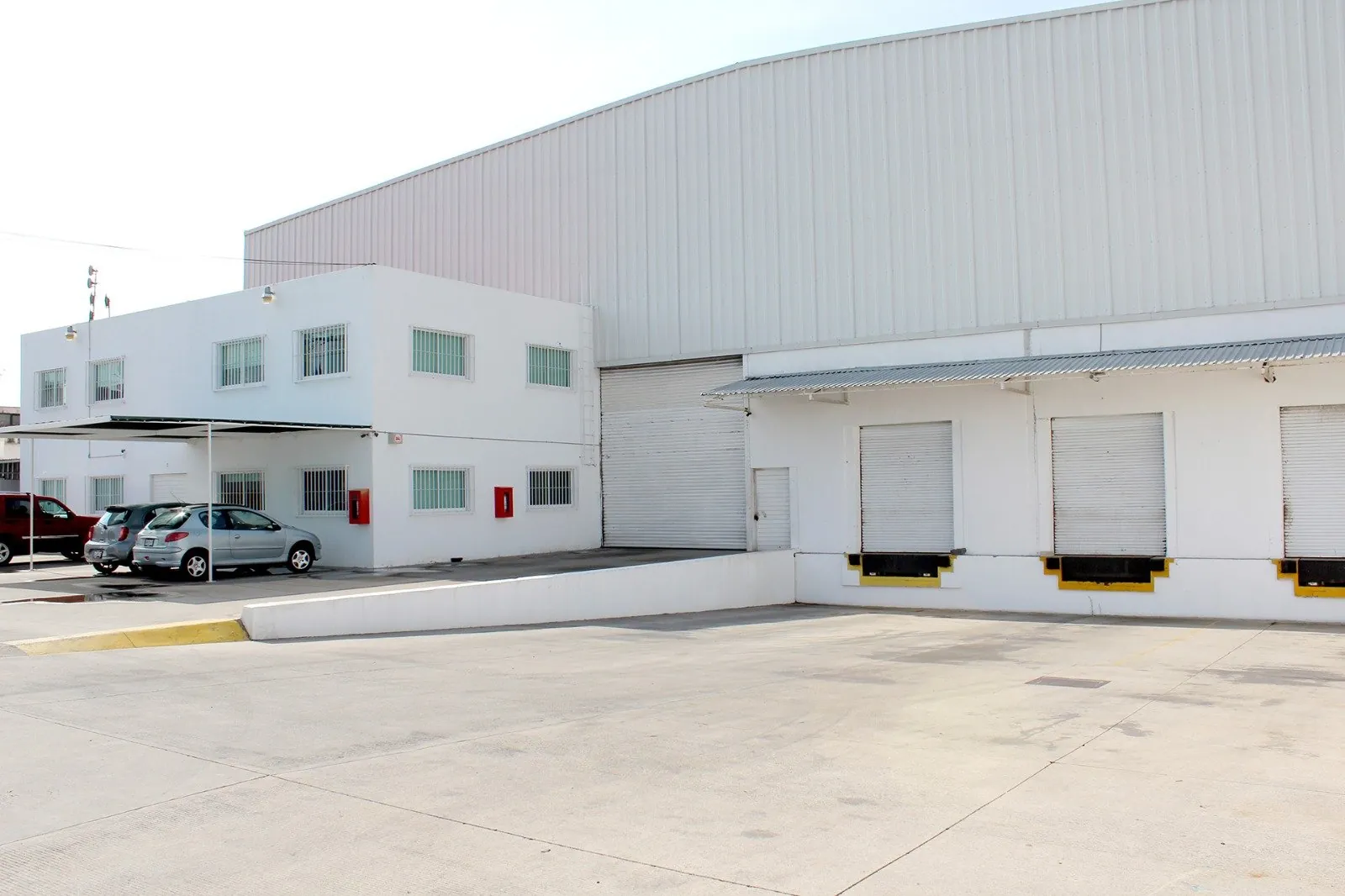
This guide gives you the map; your operation supplies the numbers. If you want to know at which stage your money is leaking —and whether outsourcing already makes sense for you— tell us what you sell, how many orders you move and on which channels, and we’ll deliver a free operational diagnosis: stage by stage, with real data from your case. If your inventory can sit in western Mexico, see how we run our e-commerce warehouse in Guadalajara.
Ready to find out if a 3PL is right for you?
Tell us about your operation and we’ll deliver a free assessment with real numbers for your case.
Request a quote