Ecommerce returns: what reverse logistics really costs and how to reduce it
Reverse logistics is the process of recovering a product your customer returns: picking it up, inspecting it, refurbishing it and selling it again —or writing it off with a record—. In Mexican ecommerce, returns hover around 17% of orders as an industry reference (figures reported by AMVO, 2024), and in categories like fashion they approach 26%. Ignoring them doesn’t make them cheap: it only makes them invisible.
What the law obliges you to accept
Before costing it out, it helps to know what is not optional. Under Mexico’s Federal Consumer Protection Law and what Profeco publishes on warranties and online purchases, a buyer may withdraw from an online purchase without liability within five business days of delivery. If the product does not match the quality, brand or specifications offered, they may choose replacement or a refund, plus a rebate of no less than 20% of the price. Warranty cannot be shorter than 90 days.
So your returns operation is not an extra: it is an obligation with deadlines. What you do decide is how much it costs you to run it.
What makes up the cost of processing ONE return?
When a customer returns an order, you’re not paying for “a return shipment”. You’re paying for an entire chain:
- Pickup or return label: the return shipment, which often costs as much as or more than the original one.
- Receiving and inspection: someone opens the box, checks it against the original order and grades the product’s condition.
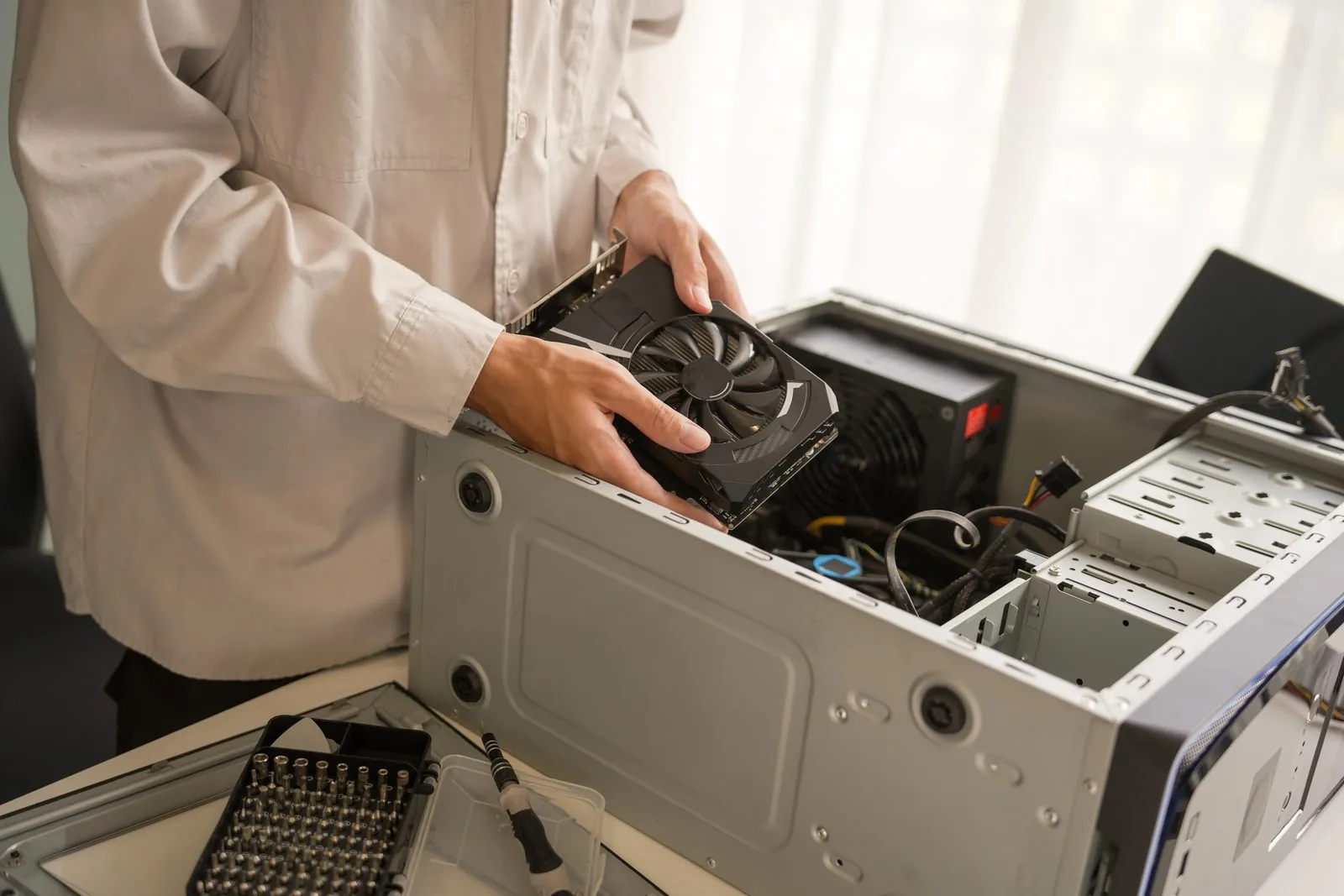
- Refurbishing: cleaning, repacking and relabeling so the item can be sold again.
- Restocking: registering it again, in the right location, so it’s available across your channels.
- Shrinkage: the share that comes back damaged, incomplete or out of season and can no longer sell at full price.
- Refund and support: customer service time and, very often, the sale that gets lost anyway.
What physically happens to a return inside a 3PL?
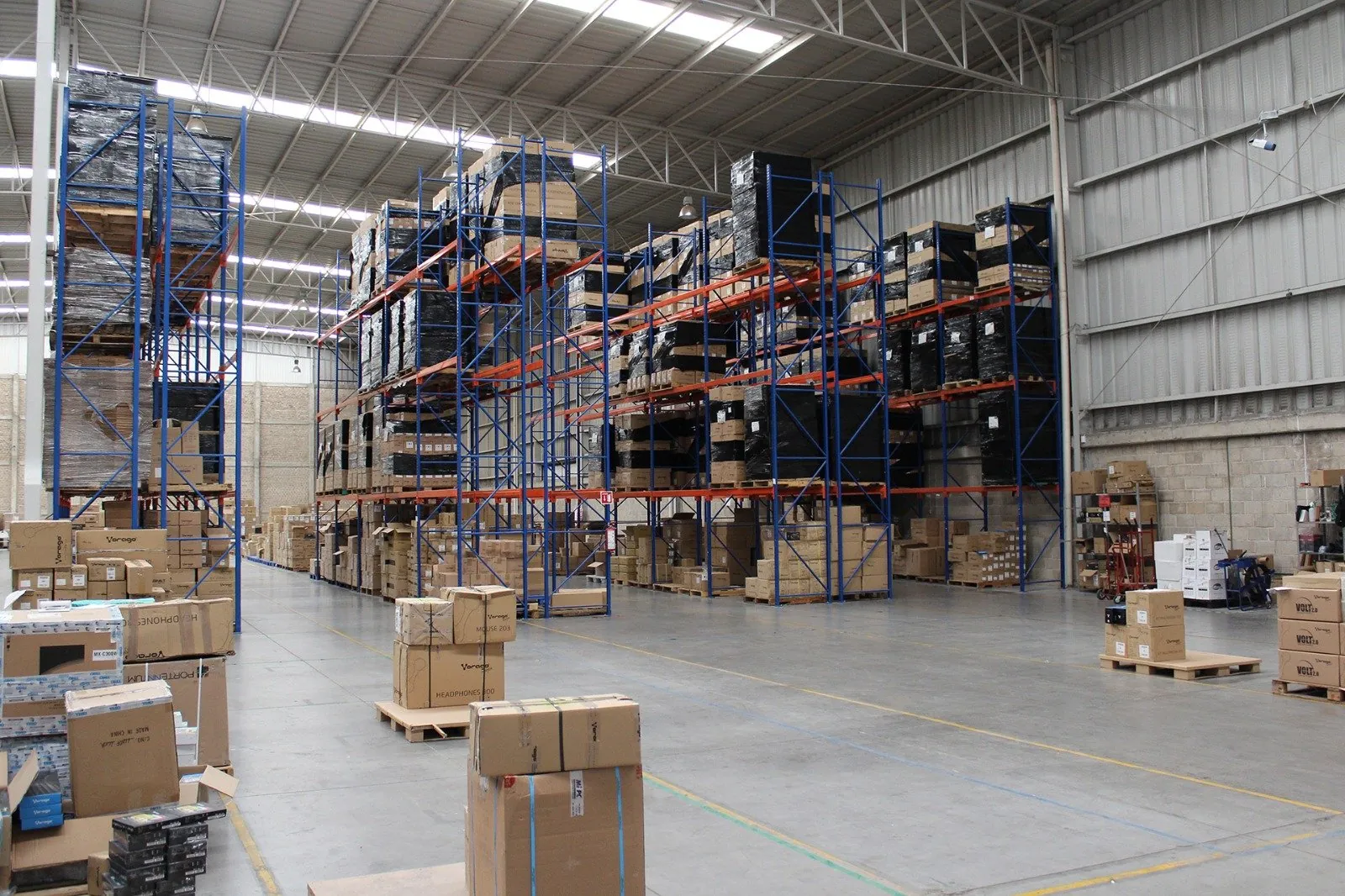
In a seriously run warehouse, returns don’t pile up in a corner “for later”. The flow goes like this: the package comes in through a receiving lane separate from regular inbound; it’s registered against the original order; it moves to an inspection station where it’s graded —fit for resale, needs refurbishing, or shrinkage—; fit items are refurbished and restocked with their SKU visible in the system; and shrinkage is set aside and documented. Every step leaves a record. If your current operation can’t tell you how many returns it received last month and what share sold again, that’s the first red flag.
How many returns are “normal” in Mexican ecommerce?
As an industry reference, Mexico reports a return rate close to 17% of ecommerce orders (AMVO, 2024), and in fashion and footwear it can reach around 26%, mostly driven by sizing. These are approximations, not targets: your number depends on category, channel and the quality of your product pages. What matters is measuring yours every month and comparing it against your own history, not just the average.
How do you reduce your return rate without hurting sales?
Most avoidable returns are born before the purchase click:
- Accurate photos and product pages: real measurements, materials and scale; the customer should receive exactly what they saw.
- Clear size guides: in fashion and footwear, a well-built size chart attacks the number one cause head-on.
- Proper packaging: product damaged in transit is a guaranteed return; packaging is prevention, not an expense.
- Picking accuracy: every wrong shipment is a guaranteed return plus an unhappy customer.
- Quality control before dispatch: catching the defect in the warehouse costs far less than at your customer’s door.
What should you do with returned product?
Every sellable item should be available again as soon as possible: idle inventory is frozen cash. The rest gets decided with clear rules: refurbish, liquidate through an alternate channel, or write off as documented shrinkage. The worst thing you can do is the most common one: letting returns pile up ungraded until “ghost inventory” throws your numbers off. To put this cost in the full context of your operation, read our guide on how much fulfillment costs in Mexico.
From money leak to controlled process
The difference between an operation that suffers returns and one that controls them isn’t luck: it’s process, defined stations and data. That’s exactly what we review in a free operational diagnosis: how many returns you have, what they truly cost you and how much you could recover with a well-built reverse logistics flow. Tell us about your operation and we’ll answer with numbers, not promises.
Ready to find out if a 3PL is right for you?
Tell us about your operation and we’ll deliver a free assessment with real numbers for your case.
Request a quote